
Food Cart Activations Shaping the Future of Urban Engagement
Urban spaces are evolving rapidly, and so are the ways people connect with their communities. One of the most exciting trends reshaping city life is the rise of food cart activations. These mobile food experiences are more than just convenient dining options—they are becoming powerful tools for bringing people together, energizing neighborhoods, and creating memorable urban moments. This post explores why food cart activations are shaping the future of urban engagement and how they contribute to vibrant, connected cities.
What Are Food Cart Activations?
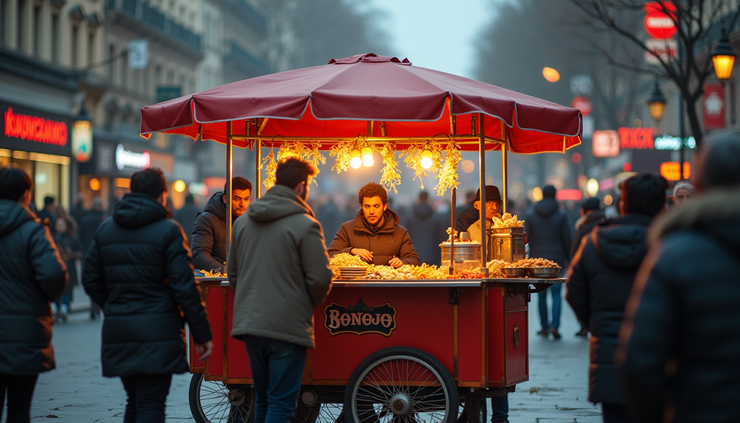
Food cart activations refer to temporary or semi-permanent setups where food carts or trucks serve meals, snacks, or beverages in public spaces. Unlike traditional restaurants, these activations often pop up in parks, plazas, street corners, or during events. They combine the appeal of street food with interactive experiences that invite people to linger, socialize, and explore new tastes.
These activations can be standalone or part of larger community events, markets, or festivals. Their flexibility allows organizers to tailor offerings to local tastes and cultural moments, making them highly adaptable to different urban environments.
How Food Cart Activations Enhance Urban Life
Creating Social Spaces
Food carts naturally draw people together. When a food cart sets up in a public area, it becomes a gathering point where strangers can meet, friends can catch up, and families can enjoy meals outdoors. This informal social setting encourages interaction and strengthens community bonds.
For example, in cities like Portland and Austin, food cart pods have become popular spots where people from diverse backgrounds come together. These pods often feature communal seating and shared spaces, fostering a sense of belonging and connection.
Supporting Local Entrepreneurs
Many food cart operators are small business owners or chefs experimenting with new concepts. Activations provide a low-cost way to test menus, build a customer base, and grow their brand without the overhead of a brick-and-mortar restaurant.
This entrepreneurial spirit adds variety and innovation to the urban food scene. Cities benefit from a dynamic mix of cuisines and flavors that reflect their cultural diversity. For instance, Los Angeles’ food truck culture has introduced residents to a wide range of international dishes, enriching the city’s culinary landscape.
Revitalizing Public Spaces
Food cart activations can transform underused or neglected urban areas into lively destinations. By bringing food and activity to these spaces, they encourage foot traffic and make neighborhoods feel safer and more welcoming.
In New York City, temporary food cart setups have been used to activate plazas and pedestrian zones, turning them into vibrant hubs of activity. This approach supports local economies and improves the quality of life for residents.
Encouraging Sustainable Urban Practices
Food carts often operate with a smaller environmental footprint compared to traditional restaurants. Many use energy-efficient equipment, source ingredients locally, and minimize waste through compostable packaging.
Activations that prioritize sustainability help cities reduce their environmental impact while promoting responsible consumption. Some food cart events even partner with local farms and suppliers to highlight seasonal, organic produce.
Examples of Successful Food Cart Activations
The Portland Food Cart Pod
Portland is famous for its food cart pods—clusters of carts offering diverse cuisines in shared spaces. These pods have become community landmarks, attracting locals and tourists alike. They provide a casual, affordable dining experience and serve as incubators for culinary talent.
Austin’s Food Truck Parks
Austin’s food truck parks combine multiple carts with seating, live music, and entertainment. These parks create a festive atmosphere that draws crowds and supports local artists and vendors. The city’s approach shows how food cart activations can be integrated into broader cultural programming.
New York City’s Plaza Food Carts
In New York, food carts have been used to activate public plazas, especially during warmer months. These activations encourage outdoor dining and socializing, helping to reclaim urban space for people rather than cars. The city’s support for these initiatives has boosted local businesses and enhanced street life.
Tips for Organizing a Successful Food Cart Activation
Choose the right location: Look for high foot traffic areas or spaces that could benefit from more activity.
Curate diverse food options: Offer a variety of cuisines to appeal to different tastes and dietary needs.
Create inviting seating: Provide comfortable, accessible seating to encourage people to stay and socialize.
Promote local partnerships: Work with local farmers, artists, and community groups to enrich the experience.
Plan for waste management: Use compostable materials and provide clear recycling options to minimize environmental impact.
Engage the community: Host events, live music, or workshops to make the activation more than just a food stop.
The Future of Urban Engagement with Food Carts
As cities continue to grow and change, food cart activations will play a key role in shaping how people experience urban life. Their ability to create social connections, support small businesses, and revitalize public spaces makes them valuable assets for city planners and community leaders.


Comments